Enfants
Rechercher un lieu, une activité...
Reims and its surroundings
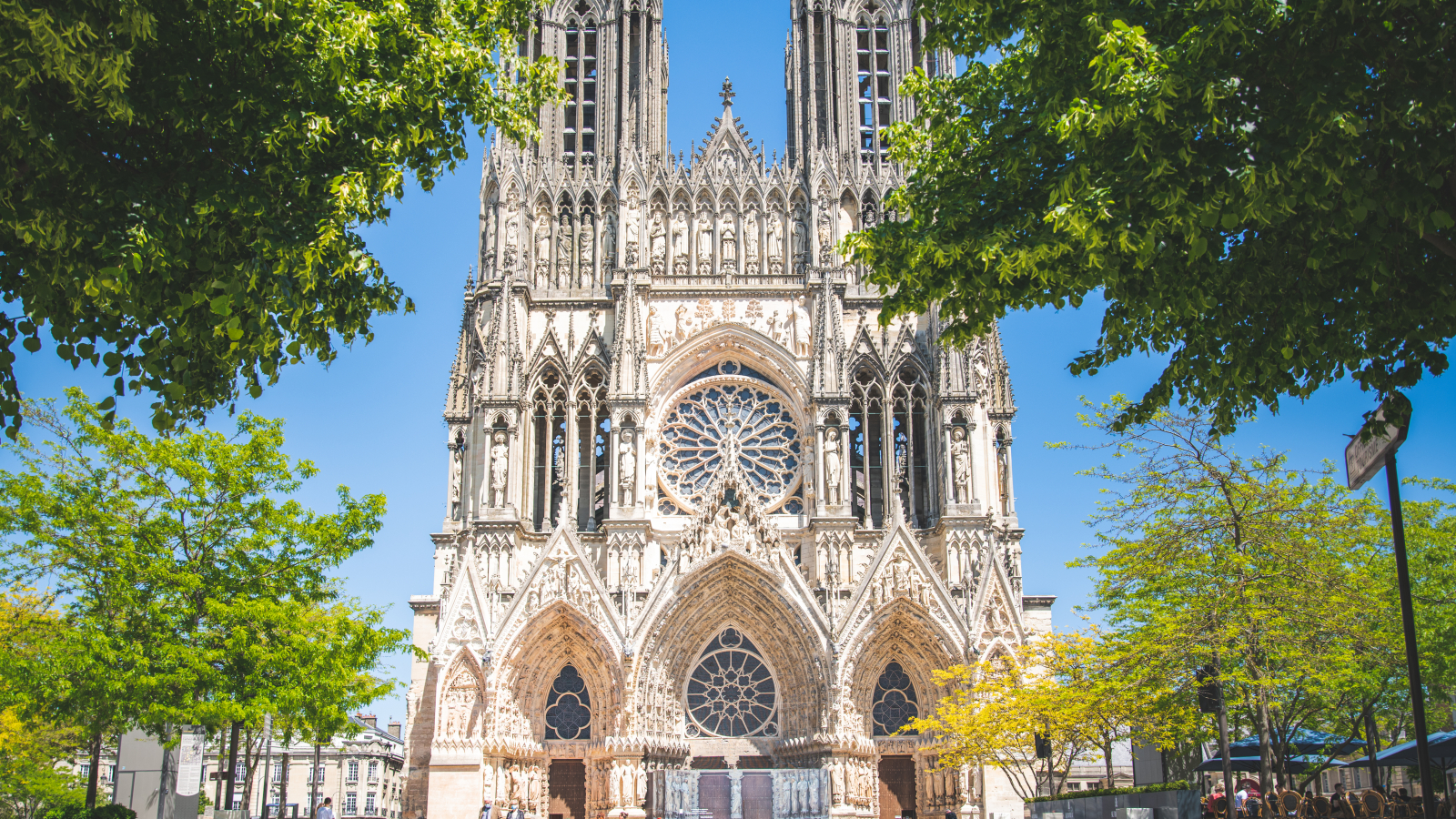
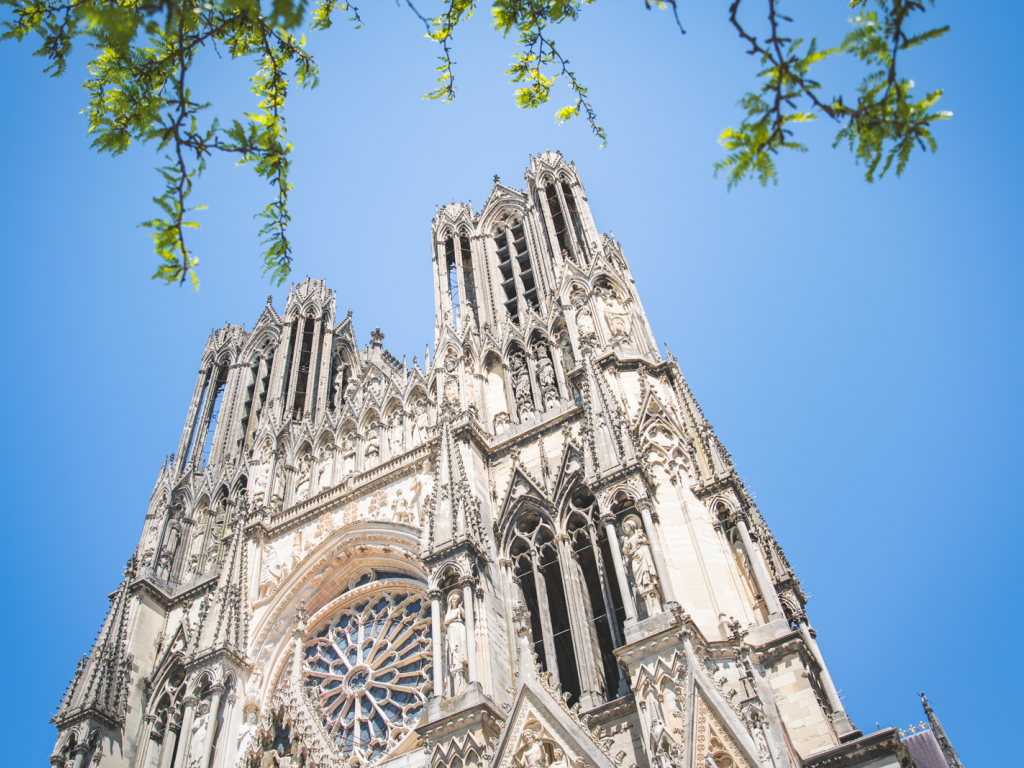
Reims is where the Kings of France used to be crowned, and the city’s outstanding heritage bears witness to its royal history, with several listed monuments to its credit. A striking contrast with its legacy of Art Deco, of which the city is France’s proud capital. Reims is also famous for its Champagne Houses, which enjoy a worldwide reputation.


A storied heritage steeped in history
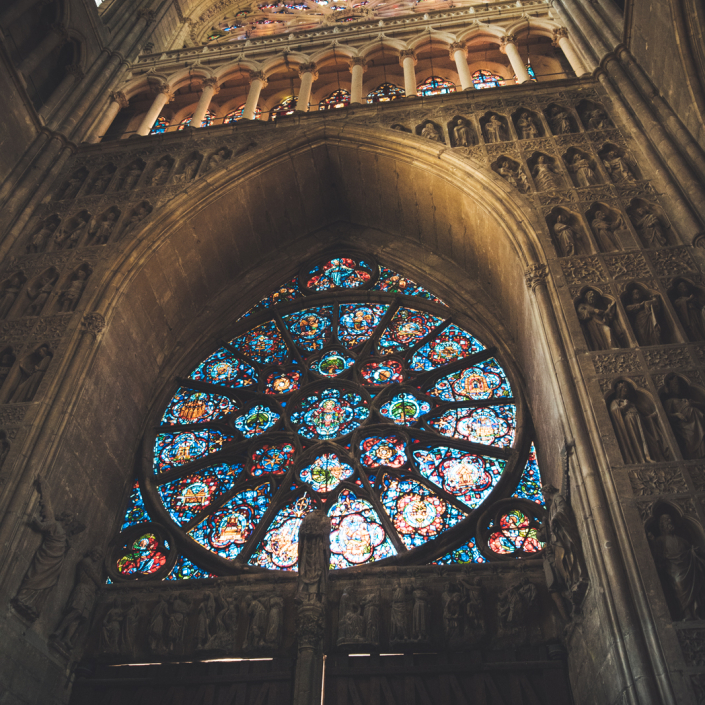
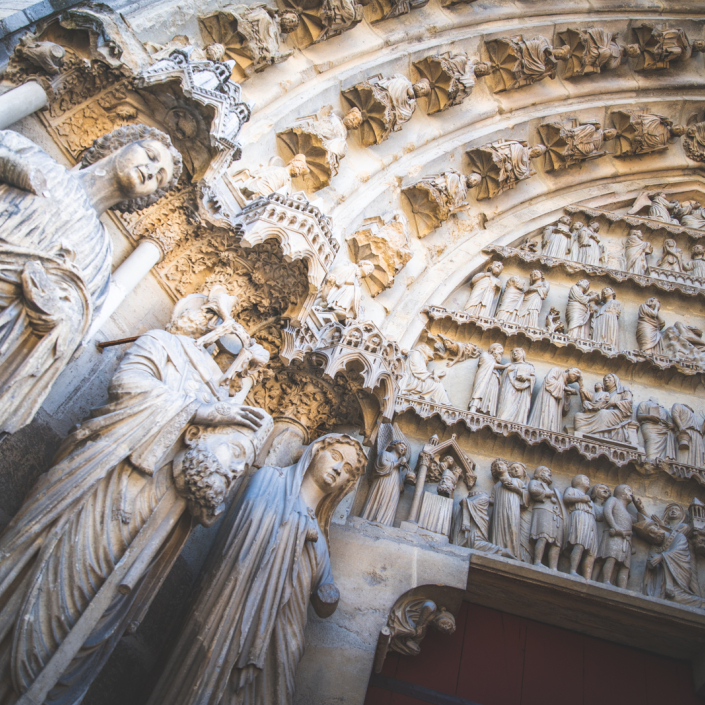
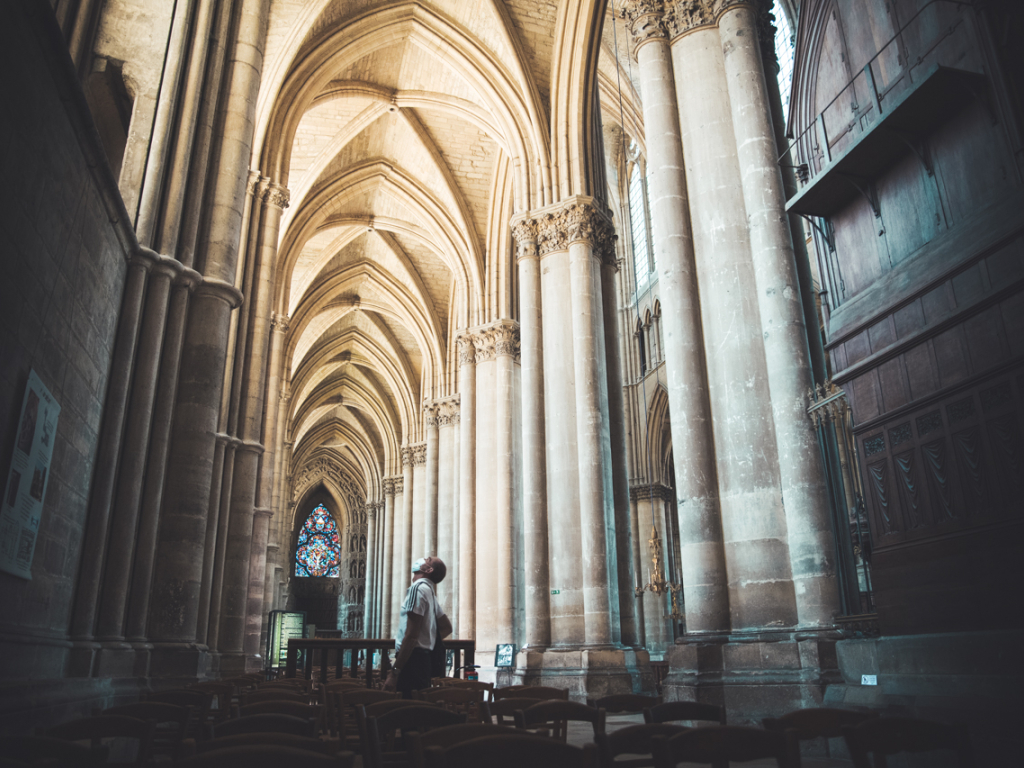
The many chapters in the city of Reims’ past have provided it with a monumental architectural heritage, with four of its sites currently on the UNESCO World Heritage List: Reims Cathedral, the Tau Palace, Saint-Remi Abbey and Saint-Nicaise Hill.
But the “City of Coronations and Champagne” is also an outstanding showcase for fans of Art Deco, a movement whose architectural creations are awaiting their admiration in almost every street.
-
Trip ideas From350,00 €
Continental Experience in Reims****
-
Trip ideas From180,00 €
Suspended moments at Domaine Les Crayères – Gift sets in Champagne
-
From120,00 €
Restaurant Le Parc** at Domaine Les Crayères
-
From690,00 €
Prestige “Parc” lunch or dinner – Les Crayères in Reims
-
From42,00 €
Brasserie Le Jardin at Domaine Les Crayères
-
From320,00 €
Cathedral Stay at La Caserne Chanzy
-
From210,00 €
Dinner at La Grande Georgette
-
From64,00 €
Chef’s menu for two at the Continental Hôtel Reims
-
Trip ideas From379,00 €
A bucolic stay at Clos du Lac in Champagne
-
From110,00 €
Continental menu for two at the Continental Restaurant in Reims
-
From199,00 €
Gift voucher – “Nuitée Pétillante” stay for 2 at La Ressourçante
-
Trip ideas From2000,00 €
Imperial Stay at Domaine Les Crayères in Reims
-
From180,00 €
“Jardin” Lunch or Dinner – Domaine Les Crayères***** in Reims, Champagne
-
Trip ideas From840,00 €
Prestige stay at La Caserne Chanzy
-
Trip ideas From50,00 €
Gift certificate to Continental Hotel Restaurant ****

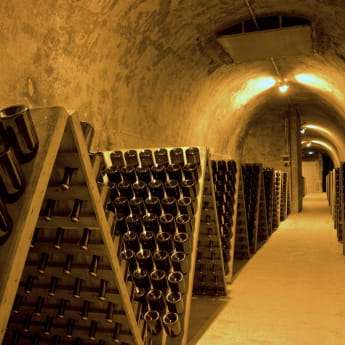
Reims and Champagne!
Impossible to visit Reims without talking about the worldwide celebrity of champagne that has done so much for the City of Kings – and for Epernay, the so-called “Champagne Capital”. Here, Champagne is everywhere and it’s a whole world unto itself, combining the luxury of the greatest Champagne Houses, the majesty of their cellars, the splendour of Champagne’s vineyards and the authenticity of encounters with the winegrowers awaiting your arrival!
You’ll be spoilt for choice between the internationally renowned great Houses. And at the end of your visit, the much anticipated tasting session* will give you a chance to savour the House’s flagship vintage.
* The abuse of alcohol is dangerous for your health. Consume with moderation.
-
From45,00 €
Lehmann Experience tasting workshop
-
From79,00 €
The heart of Champagne and the mountains of Reims with My Vintage Tour Company
-
From330,00 €
Champagne in a 4L or 2CV – Leaving from Reims
-
From115,00 €
L’Echappée pétillante tour – Pressoria from Reims
-
From255,00 €
Private Champagne excursion and visit to Moët et Chandon
-
From90,00 €
Afternoon of champagne discovery and tasting, from Reims to Hautvillers
-
From30,00 €
Cellar tour and tasting at Maison Mumm
-
From54,00 €
Sunset Champagne Tour, an escapade in the heart of the Reims vineyards
-
From49,00 €
The Essential Champagne Tour from Reims with My Vintage Tour Company
-
From210,00 €
Champagne discovery and tasting day
-
From995,00 €
Gift voucher for a 5-hour private Champagne tour for two people
-
From690,00 €
An unusual day in Champagne – Reims
-
From105,00 €
Champagne discovery and tasting morning, from Reims to Hautvillers
-
From21,00 €
Commented tasting at Champagne Charles de Cazanove

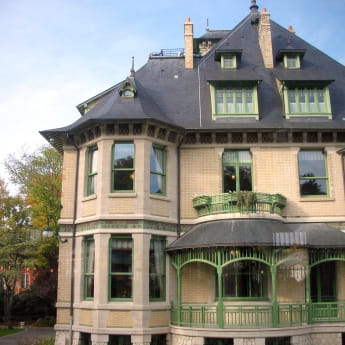
Reims, France’s Art Deco Capital
Reims also enjoys an architectural heritage resulting from its more recent history, thanks to Art Deco, whose buildings have formed an integral part of the urban landscape since the 1920s. This typically French architectural movement focuses on uncluttered style, pure lines, and geometrical features decorated with mosaics and floral sculptures.
It was after the First World War that Art Deco resolutely established itself in Reims, as almost the whole city had to be rebuilt, and a new eye was at work. In just a few decades, the new architectural movement, promoted by such well-known architects as Henry Royer, was accepted as the best solution for renewing a city much of which had been demolished in the Great War.
In need of inspiration?
-
 :
3 ideas to help you reconnect with nature in Grand Est
Read more -
 :
Looking for a fantastic getaway? Sleep immersed in nature in our unusual places to stay
Read more -
 :
Savour autumn with 3 trips to discover nature and its explosive colours
Read more -
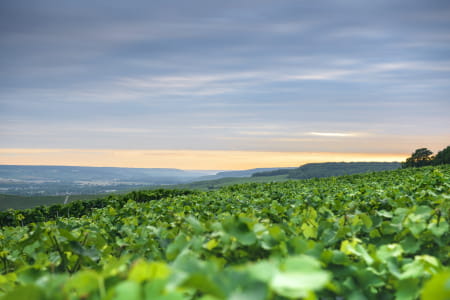 :
For a proper break, consider slow tourism in the heart of Champagne
Read more -
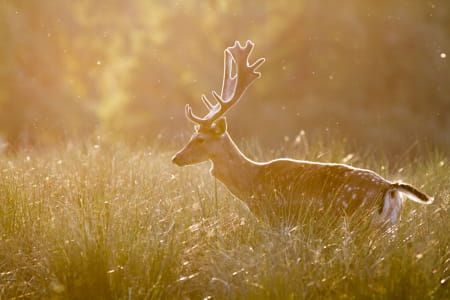 :
Unusual wild animal experiences at the Parc Animalier de Sainte-Croix zoo
Read more -
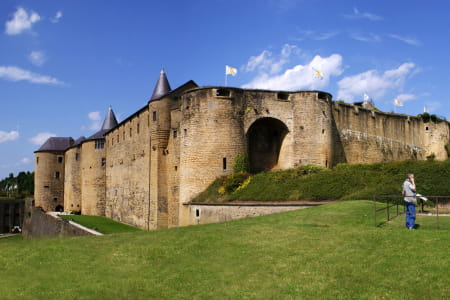 :
Immerse yourself in the Middle Ages in Sedan
Read more -
 :
For an incredible walk in Vosges, head to the Hohneck!
Read more -
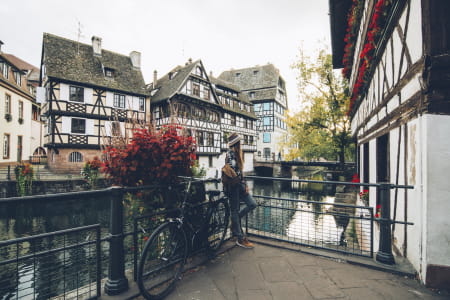 :
UNESCO: travel back in time at listed sites in Grand Est
Read more -
 Top : Christmas
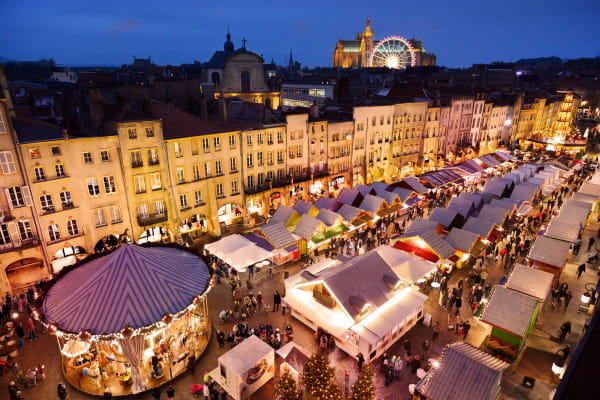
10 original ideas for a magical Christmas in Eastern France
Read more -
 Top : Mountains
10 romantic places to declare your love
Read more -
 Top : As a couple, Wellbeing
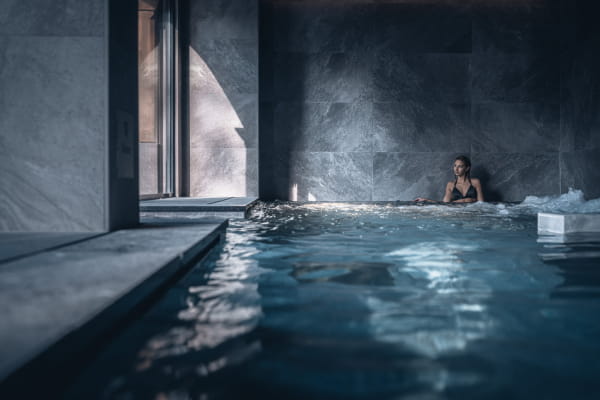
10 spa-hotels to recharge your batteries in Eastern France
Read more -
 :
A slow travel holiday in the Massif des Vosges
Read more -
 :
Après-ski: Vosges has plenty of winter activities in store beyond the slopes
Read more -
 : Christmas, EstSideStory, Mountains, Winter
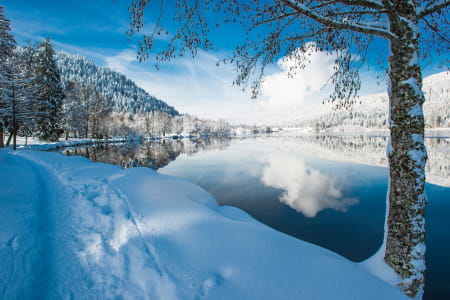
Experience the true magic of Christmas in the mountains in Vosges
Read more -
 Large format : As a couple, As a family, Mountains, Winter
Winter sports: make the most of the snow in Vosges
Read more
 My Explore